Cart

From Colombia to Switzerland

A coffee that remembers where it comes from.

Behind every coffee, a farm in Colombia and the people who keep it alive. Meet them on the map, then come find us at the food truck.

Discover our origins

Our origins

3 coffees, 2 regions

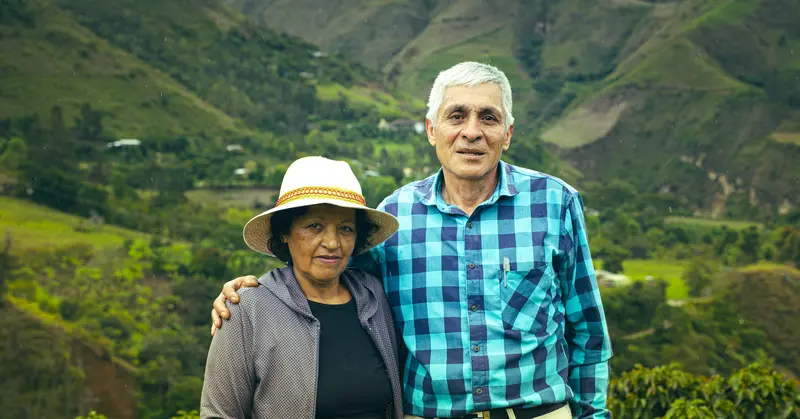
Portrait of a coffee-farming couple with a green valley in the background

Our story

Café La Casita began as La Casita del Abuelo: a family story of knowledge passed down and of deep attachment to the land. It all starts in Tangua, in Nariño, in southern Colombia. There, the Bastidas family carries on the farming practices passed down by the grandfather, the “Abuelo”: authentic craftsmanship at the heart of Colombian coffee culture.

See Nariño on the map

Pick a region in Colombia or a truck in Switzerland.

Colombia

Switzerland

  • Coffee’s journey
  • Roastery
  • Food truck

Pick a region in Colombia or a truck in Switzerland.

Colombia · Department

Antioquia

In the north-west, the slopes of the Central and Western Andes. A renowned terroir we are gradually adding to our selection, with Colombian partners who import the green coffee directly.

Coming soon

Our first coffees from this region are on their way.
    Colombia · Department

    Cauca

    In the south-west, a high plateau sheltered by the Colombian massif. Small plots, often run by cooperatives and indigenous communities.

    Our coffees from this region 1 coffee

    Colombia · Department

    Nariño

    Home of La Casita del Abuelo, in Tangua. A high-altitude Andean region, between 15 and 28 °C, humid, with rich volcanic soils, ideal for Arabica with complex aromas.

    Our coffees from this region 2 coffees

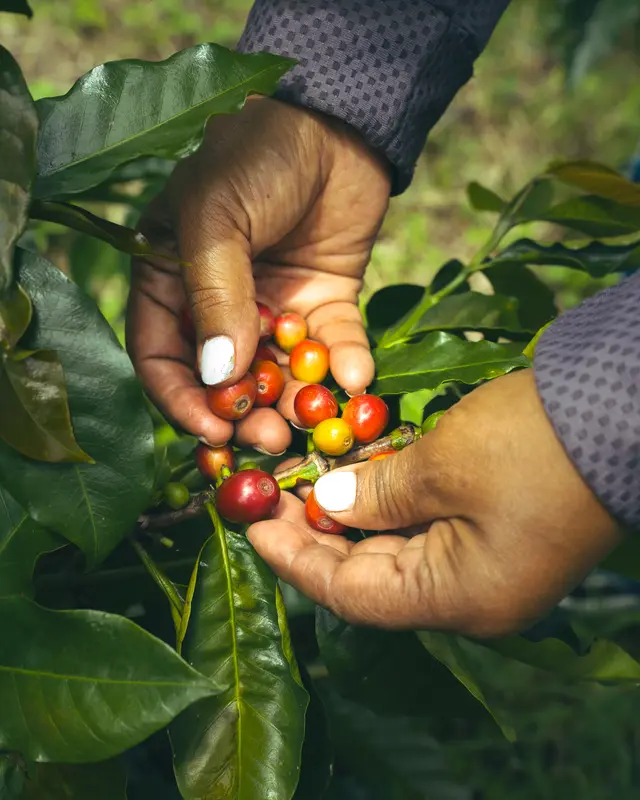
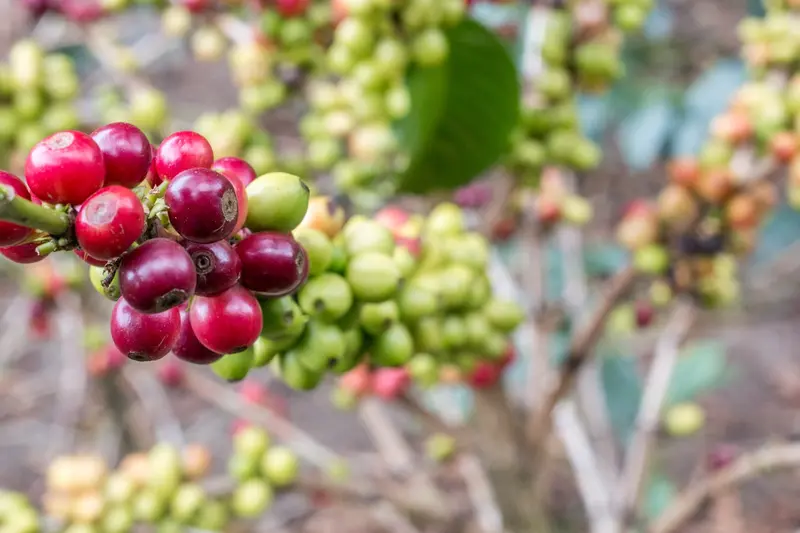
    Ripe coffee cherries on the branch

    Colombia · Cauca · Popayán

    Cauca Washed Coffee

    With a more classic flavour profile, this Cauca coffee is an approachable specialty coffee, ideal for those who enjoy balanced, familiar flavours. Its short, smooth finish leaves almost no lingering acidity. SCA score: 84.25.

    • Milk chocolate
    • Apple
    • Lemon
    Altitude
    1,610 – 1,960 m
    Varieties
    Castillo
    Process
    Washed
    Distance to Lausanne
    ≈ 9,300 km

    Roasts

    • Medium roastFilter

      CHF 17.00

    • Dark roastEspresso

      CHF 17.00

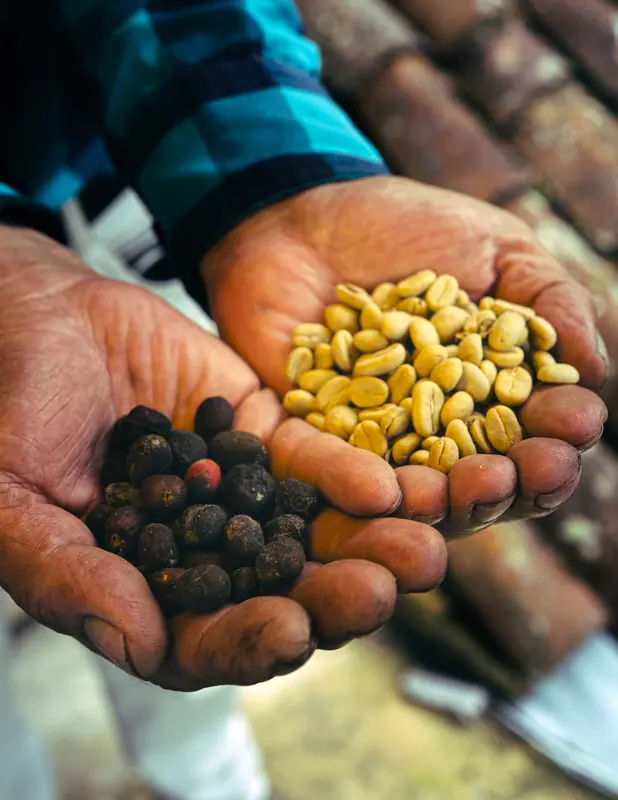
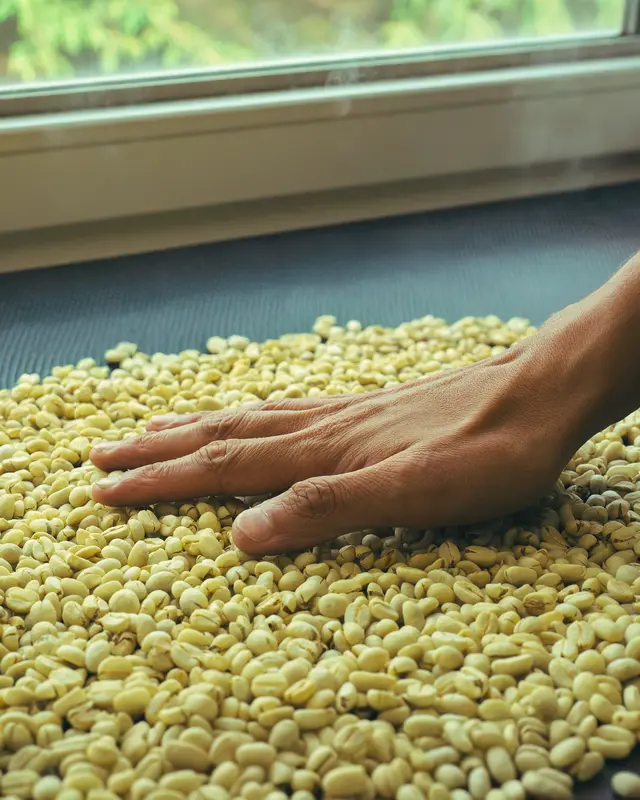
    Hand holding coffee beans while drying

    Colombia · Nariño · Tangua

    Honey Coffee

    The Honey process keeps part of the bean's natural mucilage during drying. Dried right on the family farm in Tangua, this traditional process brings out more sweetness, roundness and aromatic complexity: a round, indulgent cup. SCA score: 83.25.

    • Ripe fruit
    • Caramel
    • Honey
    • Cocoa
    Producer
    Famille de José Bastidas — La Casita del Abuelo
    Altitude
    1,900 – 2,400 m
    Varieties
    Red Bourbon
    Process
    Honey
    Distance to Lausanne
    ≈ 9,500 km

    Roasts

    • Medium roastFilter

      CHF 19.00

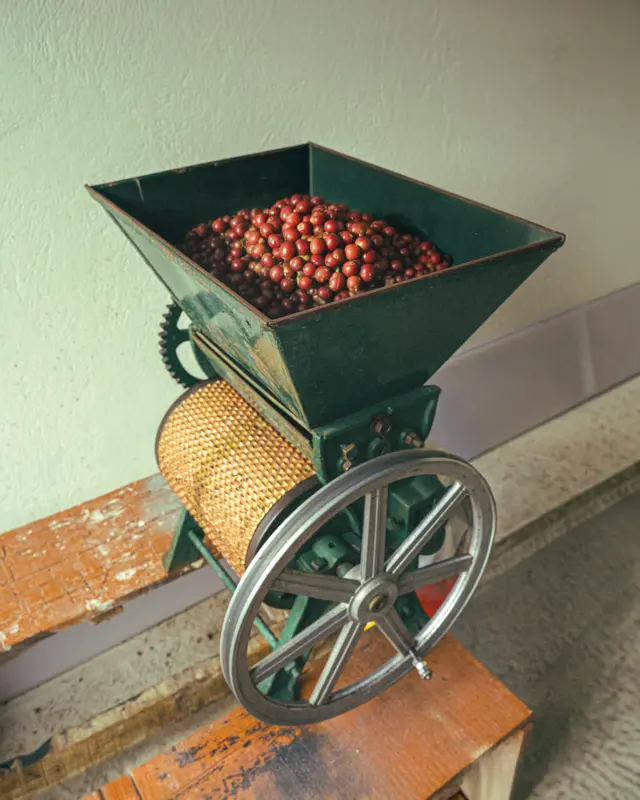
    Pulping machine filled with coffee cherries

    Colombia · Nariño · Tangua

    Nariño Washed Coffee

    The authentic coffee of Tangua, a family heritage grown in the mountains of Nariño. Medium roasted, it shows fruity and floral notes, ideal as filter coffee or cold brew. Dark roasted for espresso, it takes on notes of dark chocolate, cocoa and toasted hazelnut, with a hint of citrus on the finish. SCA score: 83.

    • Citrus
    • Flowers
    • Dark chocolate
    • Hazelnut
    • Cocoa
    Producer
    Famille de José Bastidas — La Casita del Abuelo
    Altitude
    1,900 – 2,400 m
    Varieties
    Caturra, Castillo, Red Bourbon
    Process
    Washed
    Distance to Lausanne
    ≈ 9,500 km

    Roasts

    • Medium roastFilter

      CHF 17.00

    • Dark roastEspresso

      CHF 17.00

    EventFictional example

    Plainpalais coffee festival

    Dates
    May 22 – 23, 2027
    Opening hours
    Saturday and Sunday, 10 am – 6 pm
    Address
    Plaine de Plainpalais, 1205 Genève
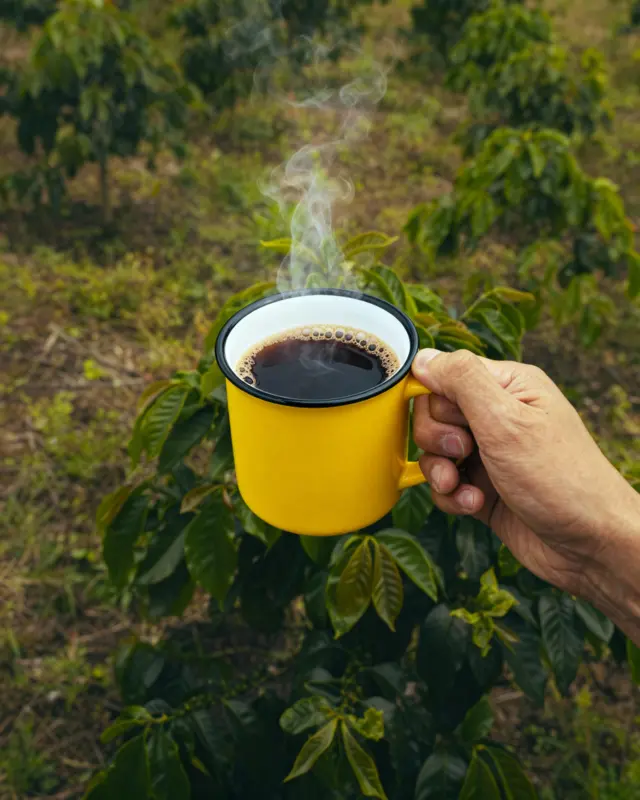
    Steaming cup of coffee

    Market

    Lausanne market

    Opening hours
    Wednesday and Saturday, 8 am – 1 pm
    Address
    Place de la Riponne, 1005 Lausanne

    Roastery · Lausanne

    Our roastery

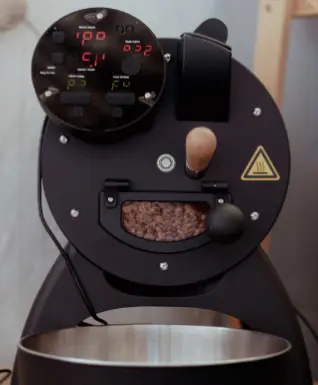
    This is where, in Lausanne, the green beans from Colombia are roasted in small batches, then packed for the shop and the food truck.

    All our coffees

    Antioquia

    Coming soon Our first coffees from this region are on their way.
    Cauca

    • Colombia · Cauca · Popayán

      Cauca Washed Coffee

      Milk chocolate · Apple · Lemon

      Show on map

    Nariño

    • Colombia · Nariño · Tangua

      Honey Coffee

      Ripe fruit · Caramel · Honey · Cocoa

      Show on map
    • Colombia · Nariño · Tangua

      Nariño Washed Coffee

      Citrus · Flowers · Dark chocolate · Hazelnut · Cocoa

      Show on map

    Let’s talk coffee

    Contact

    A question about our coffees, an order, an event to plan or an idea for working together? Write to us, we’ll be happy to reply.

    All contact details
    • By phone

      For a quick order or a question on market day.

    • On Instagram

      Behind the scenes at the roastery, our upcoming markets and new coffees.

      Follow us
    • At the food truck

      Come taste our coffees and have a chat:

    Our approach

    From the cherry picked in Tangua to your cup: follow the bean’s journey, step by step.

    1. Hands picking red coffee cherries from the branch

      Step 1 of 5 : Picked by hand

      On the slopes of Nariño, the Bastidas family picks the cherries one by one. Only the ripest are harvested, in several passes over the season.

    2. Hands holding dried cherries and green coffee beans

      Step 2 of 5 : Drying and sorting

      Pulped, then slowly sun-dried, the cherries reveal their treasure: the green bean. Each lot is sorted by hand to remove defects.

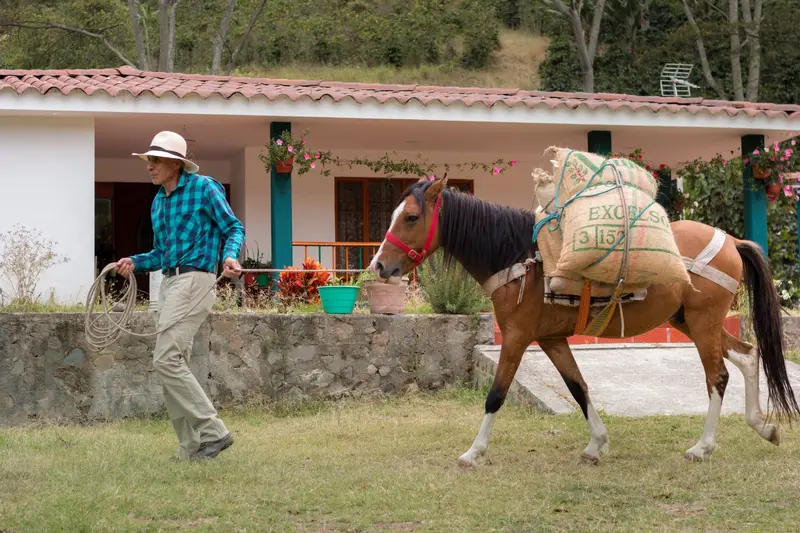
    3. Farmer and a horse loaded with coffee sacks in front of the farm

      Step 3 of 5 : From farm to road

      Sacks of green beans come down from the farm on horseback, as in the Abuelo’s day, before taking the road and then the sea.

    4. Coffee roaster with beans roasting behind the drum window

      Step 4 of 5 : Roasting

      Once in Switzerland, the beans are roasted in small batches. For each coffee, we fine-tune a profile that reveals its terroir rather than masking it.

      See our roastery on the map
    5. Steaming cup of coffee in front of the plantation

      Step 5 of 5 : In your cup

      All that’s left is to brew. In every cup, the taste of a land, a family and know-how handed down through generations.